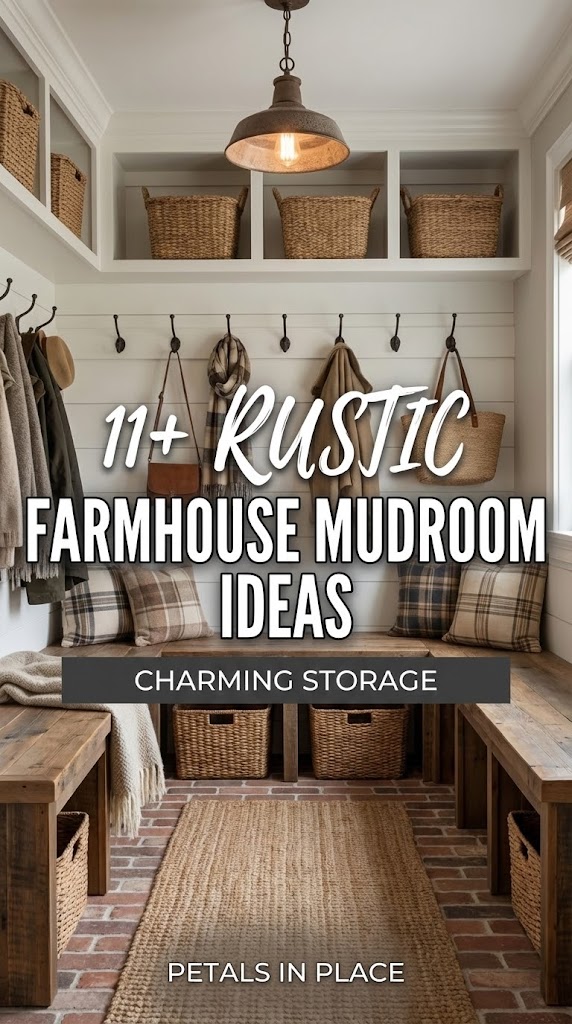
Mudrooms don’t get enough credit. They quietly handle muddy shoes, wet coats, rogue backpacks, and whatever else life throws at them. When designed right, they stay organized without turning into a chaotic dumping zone. I’ve seen gorgeous homes where the mudroom did all the heavy lifting behind the scenes—and trust me, that space matters more than people admit.
If you’ve ever tripped over shoes or lost a glove five minutes before leaving, this list is for you. These mudroom design ideas focus on function first, with style tagging along naturally. No wasted space, no fussy extras—just smart solutions that actually work in real life.
1. Built-In Bench With Hidden Storage
A built-in bench instantly makes a mudroom feel intentional instead of accidental. You get a comfortable spot to sit while pulling off shoes, and the storage underneath does the real work. IMO, hidden storage beats open cubbies when you want the space to look calm.
I like using lift-up bench seats or deep drawers to stash seasonal shoes and bulky items. This setup keeps clutter out of sight while staying easy to access. Ever notice how shoes multiply overnight? This design plans for that reality without stressing you out.
2. Floor-to-Ceiling Lockers for Daily Gear
Lockers aren’t just for schools—they’re mudroom gold. Floor-to-ceiling lockers give every family member their own vertical zone, which cuts down on daily confusion. Who doesn’t want a designated spot for keys, bags, and jackets?
Tall lockers maximize storage without eating up floor space. I’ve found that adding hooks inside each locker keeps things from piling up. Closed doors also help the room look tidy even on chaotic mornings. Functional and forgiving? That’s a win.
3. Durable Tile Flooring That Handles Abuse
Mudrooms see the worst of the mess, so delicate flooring never survives long. Durable tile handles mud, water, salt, and pet chaos without complaint. I’ve learned this lesson the hard way—wood floors don’t forgive wet boots.
Textured porcelain or ceramic tiles provide grip and clean easily. Dark grout also saves your sanity long-term. Why fight maintenance when the right flooring solves the problem upfront?
4. Wall Hooks at Multiple Heights

Hooks seem basic, but placement changes everything. Installing hooks at different heights makes the mudroom usable for kids and adults alike. FYI, this small detail saves a lot of daily frustration.
I prefer sturdy metal hooks spaced generously so coats actually hang properly. This setup encourages everyone to use the space instead of dumping things elsewhere. Isn’t it nice when design quietly trains better habits?
5. Open Cubbies for Grab-and-Go Items

Open cubbies work best for things you reach for constantly. Shoes, hats, scarves, and bags stay visible and easy to grab. This design shines in busy households that move fast.
I like pairing cubbies with labels or baskets to keep them from turning messy. Open storage forces a bit of discipline, but it rewards you with speed. When mornings feel rushed, this layout keeps life moving.
6. Built-In Drop Zone for Small Essentials

Keys, wallets, sunglasses—these tiny items cause outsized stress when they disappear. A built-in drop zone solves that problem elegantly. Think shallow drawers, slim shelves, or narrow trays built into cabinetry.
I always recommend placing the drop zone near the entry door. This habit-forming setup keeps essentials in one predictable spot. Ever wondered why some people never lose their keys? Yeah, this helps.
7. Mudroom With Laundry Integration

Combining a mudroom and laundry room feels like a cheat code. Dirty clothes move straight from entry to washer without spreading through the house. That flow just makes sense.
Stacked washers, overhead cabinets, and folding counters keep everything efficient. I’ve seen this setup save serious cleanup time, especially in homes with kids or pets. Why carry mess farther than necessary?
8. Pet-Friendly Washing Station
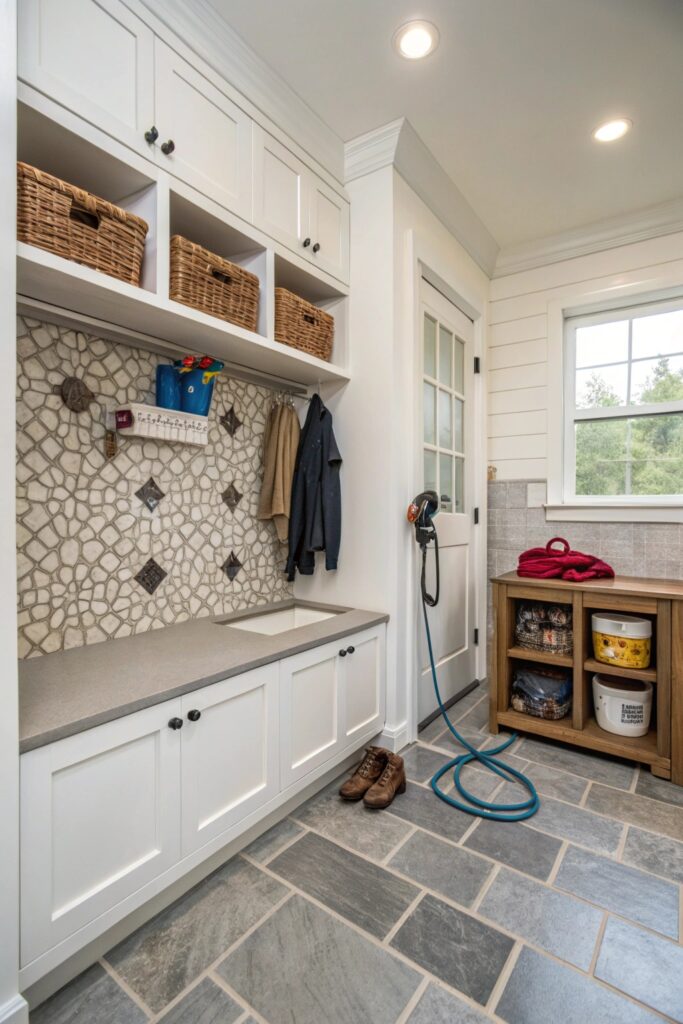
If pets use the yard, the mudroom becomes their entry point too. A low pet washing station handles muddy paws before they hit your floors. This idea feels extra until you try it once.
A handheld sprayer and tiled backsplash keep cleanup simple. I’ve watched this feature turn chaos into calm after rainy walks. Your floors—and your nerves—will thank you.
9. Slim Storage for Small Mudrooms

Small mudrooms need smarter storage, not less of it. Slim cabinets, shallow shelves, and vertical hooks keep everything functional without crowding the space. Size doesn’t limit usefulness when planning stays intentional.
I like using wall-mounted cabinets to keep the floor clear. Light colors also help small spaces feel open. Why waste a tiny room when thoughtful design can make it work harder?
10. Integrated Seating With Shoe Drawers

Shoe drawers hide clutter better than open racks. When paired with integrated seating, they create a clean and efficient setup. This option feels especially polished in modern homes.
Drawers prevent dust buildup and visual mess. I’ve noticed they also make people more selective about what they keep. When storage has limits, clutter loses the battle.
11. Water-Resistant Wall Treatments

Mudroom walls take hits from bags, shoes, and wet coats. Water-resistant treatments protect the space without constant touch-ups. This feature stays invisible until you realize how much damage it prevents.
Beadboard, washable paint, or tile backsplashes work well here. I prefer materials that wipe clean fast. Who wants to repaint a mudroom every year?
12. Bright Lighting That Eliminates Shadows

Good lighting turns a functional space into a usable one. Bright, even lighting helps you see messes and find items quickly. Dim mudrooms just invite chaos.
Overhead fixtures paired with under-cabinet lighting work best. I always suggest warm-but-bright bulbs for comfort and clarity. Ever fumbled for shoes in bad lighting? Yeah, let’s avoid that.
13. Seasonal Storage That Rotates Easily

Mudrooms work better when they adapt throughout the year. Seasonal storage lets you rotate boots, coats, and gear without overcrowding. This system keeps the space relevant year-round.
Upper cabinets or labeled bins make swaps simple. I like planning storage with seasons in mind from day one. Why fight clutter when you can schedule it?
14. Personalized Zones for Every Household Member
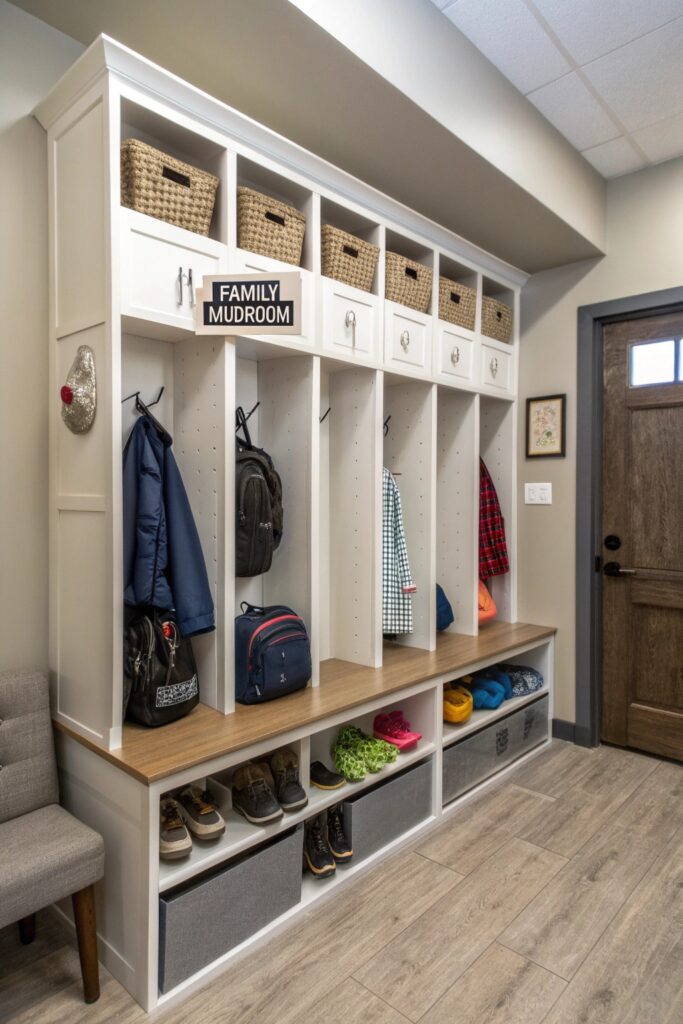
Shared spaces work best when everyone knows their zone. Personalized mudroom sections reduce confusion and daily arguments. Even adults appreciate clear boundaries.
Name labels, colors, or assigned lockers help reinforce the system. I’ve seen families stick to organization longer when ownership feels clear. Isn’t it easier when everyone knows where their stuff lives?
Final Thoughts
A functional mudroom doesn’t need to look fancy—it just needs to work. The best designs anticipate mess, movement, and real habits instead of pretending life stays tidy. When storage feels intuitive, clutter stops winning.
If your entryway stresses you out, start with one idea from this list and build from there. Small upgrades often create big daily relief. And honestly, anything that makes mornings smoother deserves serious consideration.